
How to Choose a Residential Garage Door in Green Bay, WI: Styles, Materials & Insulation
Choosing the right residential garage door for your home involves more than picking a color. Green Bay's climate, neighborhood character, and home architecture all play a role in which door will serve you best. Whether you are building near Bay Settlement, replacing an aging door in Allouez, or upgrading a property near Titletown, understanding the core factors before you shop can save you time, money, and frustration.
Why Green Bay's Climate Makes Your Choice More Complicated
Green Bay's weather demands more from a garage door than most climates do. Temperatures range from around 12°F in deep winter to over 80°F in summer, and the city averages more than 55 inches of snow per year. That seasonal swing puts real stress on panels, seals, and hardware. An uninsulated door that works fine in a mild climate can crack, warp, or allow drafts to push your heating bills up significantly during a Green Bay January.
Insulation is not optional here. It is a functional necessity. R-value measures how well a door resists heat transfer. A basic single-layer steel door may carry an R-value near zero, while insulated options can reach R-16 or higher. For attached garages especially, a poorly insulated door can chill adjacent rooms and make your furnace work harder all season. Investing in a higher R-value door supports better indoor comfort and may reduce heating costs over time.
What Door Materials Work Best in Northeast Wisconsin?
Each material comes with tradeoffs worth understanding before committing.
- Steel is the most popular choice throughout Northeast Wisconsin. Durable and low maintenance, it holds up well against Green Bay's freeze-thaw cycles. Insulated versions offer strong R-value performance in single-, double-, or triple-layer construction.
- Wood-grain steel delivers classic curb appeal without the maintenance burden. Solid wood can swell, crack, and warp under Green Bay's moisture and temperature swings, making wood-grain steel the smarter alternative.
- Fiberglass resists rust and mimics a wood finish, making it a solid option for homes near the bay where moisture exposure is higher. It is lighter than steel but may need added layers for adequate insulation.
- Aluminum is lightweight and rust-resistant, often used in full-view or contemporary designs. It is stylish but dents more easily and may require added insulation for Green Bay winters.
- Composite materials blend wood aesthetics with improved resistance to moisture and temperature changes, making them a practical middle-ground option.
Explore the full range of materials on the residential garage door options page to compare what is available.
Matching Door Style to Your Home's Architecture
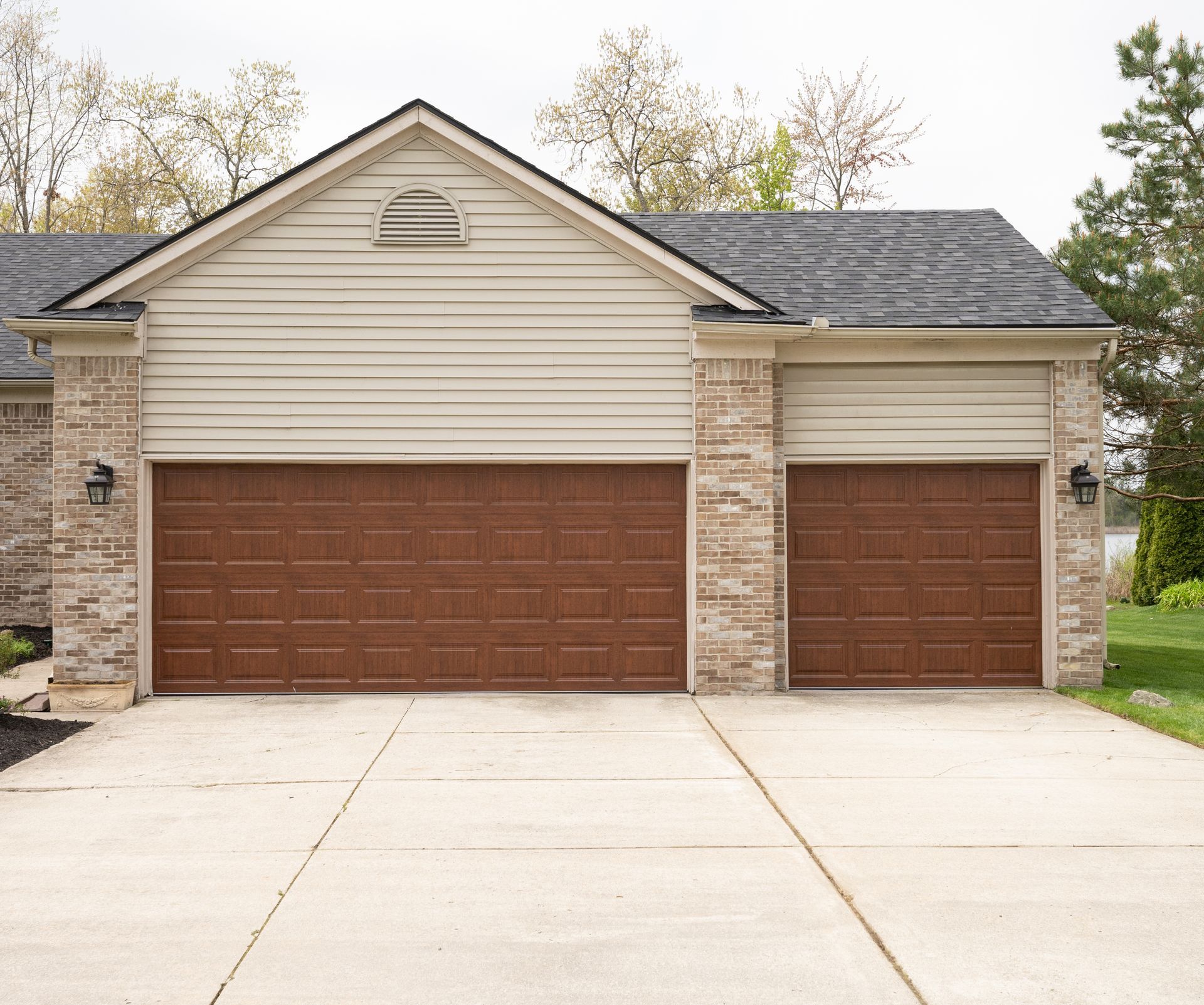
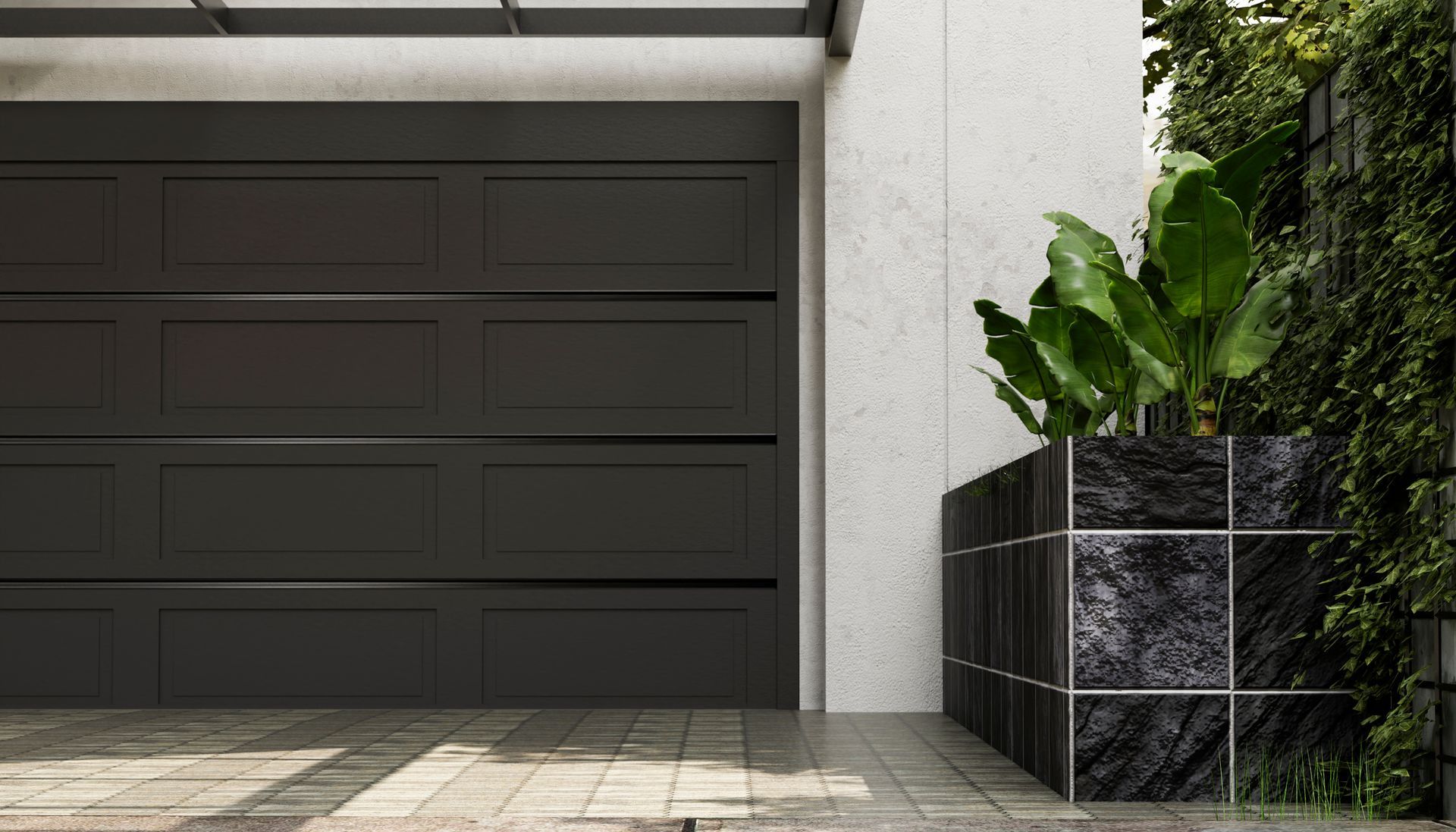
A door that clashes with your home's design can reduce curb appeal and impact resale value. In Green Bay's established neighborhoods, traditional raised-panel steel doors remain the most common choice. They complement the craftsman and colonial-style homes found throughout areas like Bellevue and Howard, and they are clean, timeless, and easy to maintain.
Carriage house doors are gaining popularity across NE Wisconsin. They evoke the look of old swing-out barn doors but operate as modern sectionals. They pair well with farmhouse, Tudor, or rustic-style exteriors.
For newer construction south and west of downtown, full-view glass doors offer a sleek, contemporary look using aluminum frames and large glass panels. They work best with modern or transitional home styles where clean lines are already part of the design.
Quick style-matching guidance:
- Traditional raised-panel designs suit craftsman, colonial, and ranch-style homes.
- Carriage house styles complement farmhouse, Tudor, and rustic exteriors.
- Full-view aluminum doors work best with modern and transitional architecture.
- Faux wood finishes on steel panels bridge rustic warmth and low-maintenance performance.
Insulation Ratings Explained for Homeowners
Pay close attention to how insulation is constructed inside the door, not just the R-value on a spec sheet. There are two main types used in residential garage doors.
Polystyrene insulation is foam board inserted between two steel layers. It is effective and affordable but may leave small edge gaps where cold air can pass through. Polyurethane insulation is injected directly into the door's cavity, bonding to both steel layers for a more airtight construction. It tends to outperform polystyrene at the same nominal R-value and adds structural rigidity to the panel.
For a Green Bay home with an attached garage, polyurethane-insulated doors with an R-value of 13 or higher are often the most practical choice. A detached garage used only for storage may be adequately served by a mid-range insulated door.
Make the Right Choice for Home
Choosing a residential garage door serving Green Bay, WI, homeowners well means weighing climate performance, material durability, style compatibility, and insulation quality together. Shortcutting any of these factors tends to lead to buyer's regret, especially after the first full Wisconsin winter. American Overhead Door has served Northeast Wisconsin homeowners for over 40 years, helping residents from Howard to Allouez find the right door for their home and climate. We offer competitive pricing, expert installation, and reliable ongoing service.
Check our
Google Profile to read what our neighbors have to say, then
contact us to schedule your consultation.